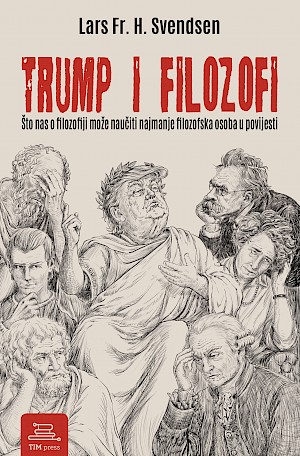
On Wednesday, 18 November, the N1 portal published an interview with Lars Svendsen, author of Trump and the...
Now available from TIM press: a new title and the first book by Oren Harman to be published in Croatian. In it, the...
The arrival of November and the scent of freshly printed books are sure signs that this year’s Interliber is just a...
Following Both Freedom and Belonging, Slavica Jakelić’s first book published by TIM press, we bring you her new title, t...
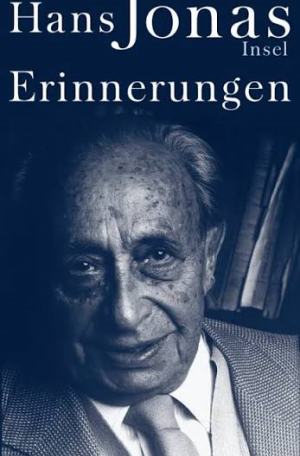
A philosophical treat is in the works at TIM press! The memoirs of Hans Jonas, one of the most important philosophers of the 20th century, will soon be available in Croatian, translated by Hrvoje Jurić. Although some of Jonas’s works are regarded as classics of philosophy, and he has been written about in philosophical circles since the 1990s, his books have, as Jurić notes, been almost unavailable in Croatian. Jonas’s long and rich life produced works and reflections on a wide range of subjects, from Gnosticism and the philosophy of life, the philosophy of religion, bioethics and the ethics of responsibility in his best-known work, The Imperative of Responsibility (Das Prinzip Verantwortung, 1979), which made him an intellectual superstar ...
In November, books and ideas take centre stage: Interliber, Croatia’s largest and most visited book fair, is approaching, and on 19 November we celebrate World Philosophy Day. That is why we have chosen a book of the month that brings the two together – a book that shows how the history of philosophy can help us understand the times we live in. For thousands of years, philosophers have reflected on ideals, and Donald J. Trump embodies none of them. Is Trump the product of a civilisation in which love has lost its true direction, as St Augustine would argue? Why would Machiavelli consider him an inept political leader? How would the most important thinkers of the Western tradition, from Plato and Aristotle through Machiavelli and Kant to Nietzsche and Hannah Arendt, judge Trump, his associates and the movement he has shaped? Beyond answering these questions, Lars Fr. H. Svendsen opens up broader themes: the crisis of liberal democracy, the erosion of trust in institutions, the relationship to truth in the public sphere, and the appeal of populist leadership in the 21st century. The book is at once an accessible introduction to political philosophy and a witty, provocative analysis of one of the most influential political phenomena of our time.